
DTF printing is a garment decoration method that transfers full-colour artwork from a specialised film onto clothing using adhesive powder, heat and pressure. It works on cotton, polyester, blends and many fabric colours, making it suitable for custom T-shirts, workwear, event shirts, sportswear and urgent apparel orders.
DTF printing is best for detailed logos, photographs, gradients and designs containing multiple colours because it does not require separate screens for each colour. The print produces strong colour coverage on both light and dark garments and can be used for small orders or larger production runs.
A common concern is whether DTF printing cracks or peels. A correctly prepared and heat-applied transfer can remain durable through regular washing when the garment is washed inside out in cold water and not tumble dried on high heat.
Choosing the wrong artwork size, garment fabric or print placement can affect the finished result. Custom T Shirt Printing Online can review your artwork, recommend the correct garment and prepare the order for reliable printing. Call 0422 440 029 for advice or a tailored quote.
DTF printing offers flexibility, vibrant colour reproduction, and fast setup - making it ideal for many custom apparel projects.
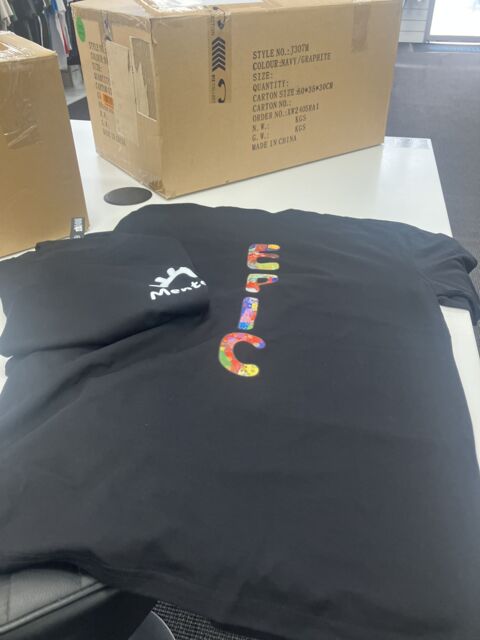
DTF printing is a garment decoration method that transfers a full colour design from a specialised film onto fabric using adhesive powder, heat and pressure. The artwork is first printed in reverse onto PET transfer film using DTF inks, including a white ink layer that supports colour visibility on light and dark garments.
While the ink is still prepared for production, a fine hot melt adhesive powder is applied to the printed film. The transfer is then cured at a controlled temperature before being positioned on the garment and applied with a heat press. Heat activates the adhesive so the design bonds securely to the fabric.
Unlike screen printing, DTF printing does not require individual screens or separate setups for each colour. This makes it suitable for detailed logos, photographs, gradients, fine text and artwork containing multiple colours. It can also be used for small orders, mixed garment sizes and designs that would be expensive or time consuming to screen print.
DTF transfers work on cotton, polyester, blended fabrics, workwear, T shirts, hoodies and many other garments. The finished print is durable and flexible when the artwork, curing temperature, pressing time and garment type are correctly matched.
Custom T Shirt Printing Online can assess your artwork, garment fabric, quantity and deadline before recommending whether DTF is the right printing method. Call 0422 442 029 to discuss your printing requirements.
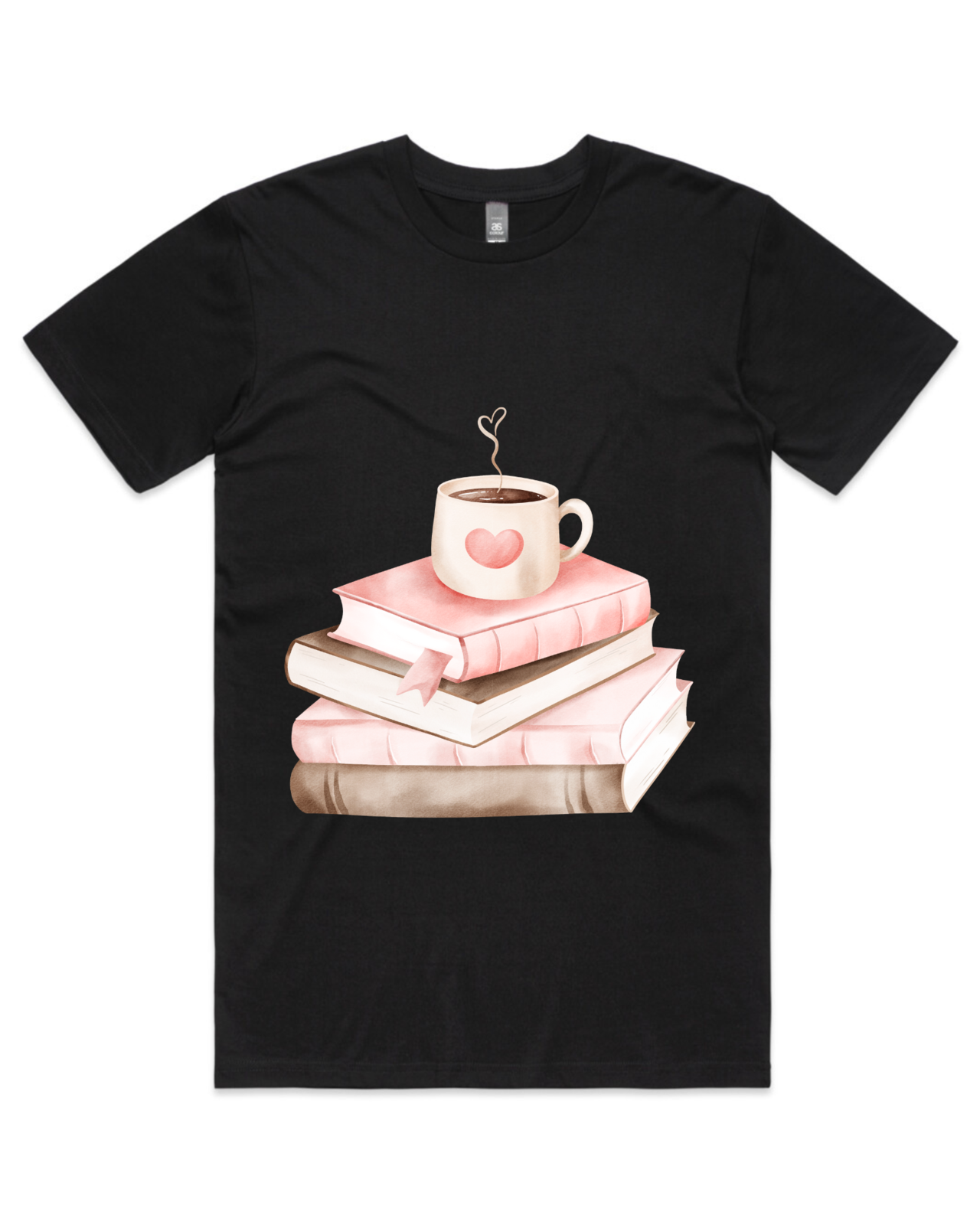
DTF printing is the best choice when you need detailed, full colour artwork printed on different garment types in small to medium quantities with a fast production turnaround.
Direct to Film printing can reproduce multiple colours, fine lines, photographs and smooth gradients without requiring separate screens for each colour. This makes it suitable for large or highly detailed designs that may be difficult or expensive to produce using traditional screen printing.
DTF is also a practical option for urgent custom T shirt orders because transfers can be prepared and applied quickly once the artwork has been approved. It works well when an order includes different garment colours, sizes or materials such as cotton T shirts, polyester workwear, hoodies, polos and blended fabrics.
Common uses for DTF printing include event shirts, corporate uniforms, promotional apparel, memorial shirts, team clothing and short production runs. It is particularly useful when the same detailed design must remain clear and consistent across several garment styles.
Choosing the wrong printing method can lead to poor detail, inaccurate colours or unnecessary production costs. Custom T Shirt Printing Online can review your artwork, garment type, quantity and deadline before recommending the most suitable printing process.
See our DTF event shirt printing case study to learn how detailed transfers were produced for a North Queensland cultural festival order. For advice or a tailored quote, call Custom T Shirt Printing Online on 0422 442 029.
When a family needed 148 personalised funeral shirts for a Sydney service, careful planning was required across artwork preparation, garment colours, adult and children’s sizing, printing and interstate delivery. DTF printing was selected because it could reproduce the tribute photograph and wording clearly on Jade and Aqua shirts while supporting the required turnaround.
Read our Sydney funeral shirt printing case study to see how Custom T Shirt Printing Online coordinated the design, mockup approval, stock checks, production and freight so the shirts arrived in time.
DTF printing is not the best choice when you need 100 to 200 or more shirts with the same simple design and your main priority is achieving the lowest possible cost per garment.
Although DTF produces detailed, full colour prints on many fabric types, the cost does not always reduce as efficiently as screen printing when order quantities increase. Each DTF transfer must be printed, prepared and heat pressed onto the garment individually. This makes DTF suitable for small to medium orders but less economical for large production runs using one repeated design.
Screen printing is usually better for large quantities because the setup investment is spread across every garment. Once the screens are prepared, the same logo or design can be printed quickly and consistently across hundreds of shirts. This often results in a lower unit price, particularly when the artwork contains only one or two colours.
Screen printing may also provide better long term value for uniforms, promotional shirts, event merchandise and repeat bulk orders. However, DTF can still be preferable when the design contains photographs, gradients, fine detail or many colours.
Custom T Shirt Printing Online can compare DTF and screen printing based on your quantity, artwork, garment type, deadline and budget. Call 0422 442 029 to discuss the most cost effective printing method before placing your order.
DTF printing offers greater garment flexibility and faster setup than many traditional print methods, while screen printing and DTG may be better suited to specific quantities, fabrics and artwork requirements. Choosing the wrong method can lead to higher printing costs, unsuitable print finishes or disappointing results on the selected garment.
DTF is generally better for small to medium orders containing detailed, full colour artwork because it requires less setup and can be applied to cotton, polyester and blended garments. It is also suitable when the same design must be printed across different garment styles or colours.
Screen printing becomes more cost effective for large bulk orders where the same design is repeated across many garments. It produces durable colours and a professional finish, but each colour normally requires separate screen preparation, making it less practical for short runs or artwork containing many colours.
DTF works across a wider range of garment materials, while DTG prints ink directly into the fabric and is normally best suited to cotton T shirts and very small orders. DTG can produce a softer print feel, but DTF is often preferred for workwear, polyester garments, mixed orders and designs requiring strong colour coverage.
Custom T Shirt Printing Online can assess your quantity, artwork, garment fabric and deadline before recommending the most suitable method. Call 0422 442 029 to discuss your printing requirements with Claude and receive the right printing recommendation before production begins.
(Full comparisons are available on dedicated comparison pages.)
DTF is an effective option for many custom garments, but a large transfer can reduce airflow through the printed area. See why sublimation was selected instead for 50 lightweight fishing club polos designed for outdoor use in Queensland.
Compare DTF and sublimation in this fishing shirt case study
DTF printing is commonly used for urgent orders, full-colour artwork, promotional clothing, business uniforms, mixed garments and small to medium bulk printing requirements.
Direct to Film printing is a practical choice when a design contains detailed logos, photographs, gradients or multiple colours that would be difficult or expensive to reproduce using traditional screen printing. The process can produce clear details and strong colours on light or dark garments without requiring a separate screen for every colour.
The best printing method depends on the fabric, artwork, print size, quantity and deadline. Custom T Shirt Printing Online can assess these details and recommend whether DTF, DTG or screen printing will deliver the most suitable result.
Call Custom T Shirt Printing Online on 0422 442 029 to discuss your DTF printing requirements and request a tailored quote.
To order DTF printed garments, provide the garment details, printing requirements, artwork, quantity, deadline and delivery information needed to prepare an accurate quote.
Start by confirming how many garments you require, including the sizes, colours and preferred garment style. You should also specify whether the design will be printed on the front, back, sleeves or several locations and provide the approximate width and height of each print in centimetres.
Supply your artwork as an EPS, AI or vector PDF file whenever possible. A high resolution PNG with a transparent background may also be suitable. If your artwork is unfinished, low resolution or needs adjustments, Custom T Shirt Printing Online can review it and explain what preparation is required before printing.
Your required completion date is important because it affects garment availability, production scheduling and freight options. State whether you need local pickup or delivery and include the destination postcode for shipping calculations.
Once the information is received, we can recommend a suitable garment, confirm whether DTF is the right printing method and prepare a tailored quote. After the quote is approved, you receive a digital mockup showing the proposed size and placement before production begins.
To avoid incorrect sizing, unsuitable artwork or missed deadlines, contact Custom T Shirt Printing Online on 0422 442 029 and let Claude guide you through the DTF ordering process.
DTF printing prices depend on the artwork size, design complexity, number of print positions, garment selected and how quickly the order is required.
A small left chest logo generally requires less printing material and production time than a large full - front or back design. Printing on both the front and back will also increase the total investment because each position must be prepared, printed and heat pressed separately.
The garment choice affects the final price. A standard cotton T shirt usually costs less than a premium heavyweight shirt, polo, hoodie or workwear garment. Urgent production may also cost more because the order must be prioritised within the printing schedule.
How much does DTF printing cost per shirt?
The price per shirt normally becomes more economical as the order quantity increases. However, the exact amount still depends on print dimensions, garment type, artwork preparation and delivery requirements.
Real DTF pricing examples are available on our DTF pricing page so you can compare common garment quantities, print sizes and placement options before requesting a quote. A step - by - step ordering guide is also available to explain how to submit artwork, confirm sizes, approve mockups and arrange production.
To avoid choosing the wrong garment or paying for an unsuitable print setup, ask Custom T Shirt Printing Online to review your requirements. Call 0422 442 029 for practical DTF printing advice and an accurate quote.
DTF printing prices vary because the final investment depends on the artwork, garment type, order quantity, print size, print placement and required turnaround time.
Any DTF pricing shown on this website should be treated as an example rather than a fixed quote. A simple left chest logo on 20 cotton T shirts will usually be priced differently from a large full colour front and back design printed across multiple garment sizes.
Artwork preparation can also affect the final price. Print ready vector files or high resolution transparent PNG files may require little adjustment, while low resolution images, photographs or incomplete designs may need additional artwork preparation before printing can begin.
Customers often ask whether DTF printing is suitable for small orders. DTF is commonly used for short runs, detailed full colour artwork, logos, photographs and designs that need to be printed on cotton, polyester or blended garments. It can also be a practical option when screen printing is unsuitable because of the number of colours or the quantity required.
To receive an accurate price, provide the garment quantity, sizes, colours, print locations, artwork dimensions and delivery deadline. Custom T Shirt Printing Online can review these details, recommend the most suitable printing method and prepare a tailored quote. Call 0422 442 029 to discuss your DTF printing requirements.
DTF printing is a garment decoration method where artwork is printed onto specialised film, coated with adhesive powder and transferred onto fabric using heat and pressure. The process can reproduce detailed, full-colour designs without requiring separate screens for each colour.
DTF printing can be used on cotton, polyester and many blended fabrics, making it suitable for T shirts, polos, hoodies, workwear and promotional garments. The garment should still be checked before printing because fabric coatings, heat sensitivity and garment construction can affect the final result.
DTF printing is suitable for small and medium orders because it does not require the screen setup used in traditional screen printing. It is often selected when customers need detailed artwork, several colours or different garment styles within the same order.
A correctly produced DTF print can remain durable through repeated washing when the garment is washed and dried according to the recommended care instructions. Turning the garment inside out, using cold or warm water and avoiding direct ironing over the print can help reduce cracking, lifting and premature wear.
DTF printing can reproduce photographs, gradients, fine lines, small colour changes and detailed logos when suitable artwork is supplied. The clearest results come from high-resolution files or professionally prepared vector artwork with clean edges and accurate colours.
Vector files such as EPS, AI or print-ready PDF files are generally preferred for logos because they can be resized without losing sharpness. High-resolution PNG files with transparent backgrounds may also be suitable, particularly for photographs or artwork containing detailed colour effects.
DTF printing costs depend on the garment, order quantity, artwork dimensions, number of print positions, artwork preparation and required turnaround time. A small left-chest logo normally requires a different investment from a large front and back design, so the artwork and order details must be reviewed before a final quote is provided.
DTF printing can be more practical for small or medium orders containing full-colour or detailed artwork because screens and individual colour separations are not required. Screen printing can provide a lower cost per garment for large orders using the same simple design across every shirt.
DTF printing turnaround depends on garment availability, order quantity, artwork readiness, print locations and the required completion date. Production can begin more quickly when the customer supplies complete quantities, confirmed sizes, print-ready artwork and approval of the final mockup without delays.
Urgent DTF printing may be possible when suitable garments are available and the artwork can be approved quickly. Customers should provide the exact quantity, garment sizes, print dimensions, placement requirements, delivery location and deadline so Custom T Shirt Printing Online can confirm whether the order is achievable.
To order DTF printed shirts, provide the garment type, colours, size breakdown, total quantity, print positions, artwork dimensions, required date and delivery or pickup preference. Custom T Shirt Printing Online can review the information, recommend the appropriate garment and print method and prepare a tailored quote before artwork mockups are approved.
Use the DTF printing pricing calculator to estimate how quantity, garment choice, print size and print placement may affect the cost of your order. It provides a useful starting point before requesting a confirmed quote based on your artwork and deadline.
DTF printing prices depend on factors including the number of garments, artwork dimensions, print locations, shirt style and turnaround time. This guide explains what influences pricing and what information is needed to prepare an accurate quote.
Screen printing and DTF printing suit different artwork styles, garment quantities and budgets. This comparison explains when each method works best so you can choose the right printing process for your custom shirts.
The DTF pricing ladder shows how garment quantity can influence the average cost per printed shirt. It helps businesses, event organisers and community groups understand why larger orders may provide better overall value.
Learn about suitable fabrics, artwork requirements, print durability, minimum quantities, turnaround times and colour reproduction. These DTF printing FAQs address common questions customers ask before placing an order.
Urgent DTF printing may be available for funerals, events, staff uniforms, promotions and other time-sensitive orders. This page explains what information must be supplied quickly and which factors determine whether your required deadline is achievable.
Follow the ordering process from selecting garments and confirming sizes to supplying artwork, approving mockups and arranging payment and delivery. Providing complete order details from the beginning helps prevent delays and printing errors.
These pricing examples show how different quantities, garment types, artwork sizes and print placements can affect the overall investment. The examples are general guides because every DTF printing order is assessed according to its specific requirements.
Correct washing, drying and ironing methods help protect the colour, adhesion and finish of a DTF print. Follow these care instructions to reduce premature cracking, peeling and damage to your printed garments.
The DTF printing hub brings together helpful information about pricing, artwork, ordering, urgent printing, garment care and print method comparisons. Use it to find detailed guidance before choosing garments or requesting a quote.
