
This quick-reference matrix summarizes the core operational vectors of the fulfillment contract:
Larger orders like this require careful planning around garment choice, print method, mockups and delivery. Learn more about our bulk t shirt printing Australia service for events, teams, schools and businesses.
The Puuya Foundation required custom branded event merchandise for the Paytham Malhari cultural dance festival in Lockhart River—a remote outback community near Cape York. This project transcended standard commercial printing. The merchandise needed to accurately represent the community, honor event sponsors, and display intricate cultural artwork across multiple material surfaces.
The primary barrier was operational: completing art preparation, multi-surface production, secure packaging, and navigating thousands of kilometers of remote terrain within a rigid four-week window. Standard postal networks cannot reliably handle bulk freight of this magnitude from Brisbane to Cape York, making advanced logistics coordination mandatory.
For organisers planning a similar festival, conference or community event, our main guide to event t shirt printing Australia explains how to plan custom shirts around deadlines, artwork, quantities and delivery.
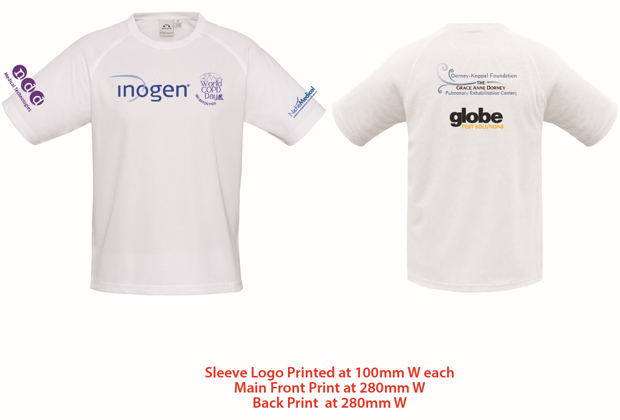
To ensure the garments endured the demanding climate of a North Queensland outdoor dance festival while presenting vibrant, retail-grade visuals, a rigorous multi-tier product strategy was implemented. Three specific product categories were selected based on material durability and canvas compatibility:
Projects that involve shirts, caps, bags, bottles or practical branded items can also be planned through our custom printed merchandise range.
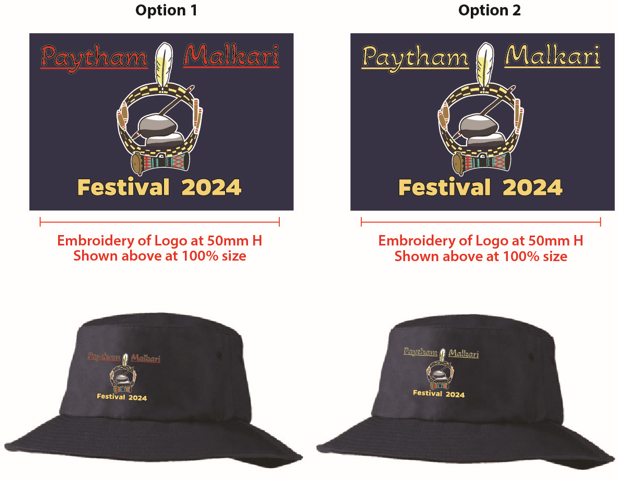
The complex art portfolio submitted by the foundation demanded highly technical execution across varied material surfaces. Rather than relying on rigid, low-detail print methods, the production facility deployed a dual-system decoration strategy:
The shirt artwork in this project was suited to DTF printing because it allowed detailed full-colour artwork to be applied cleanly across the garments.
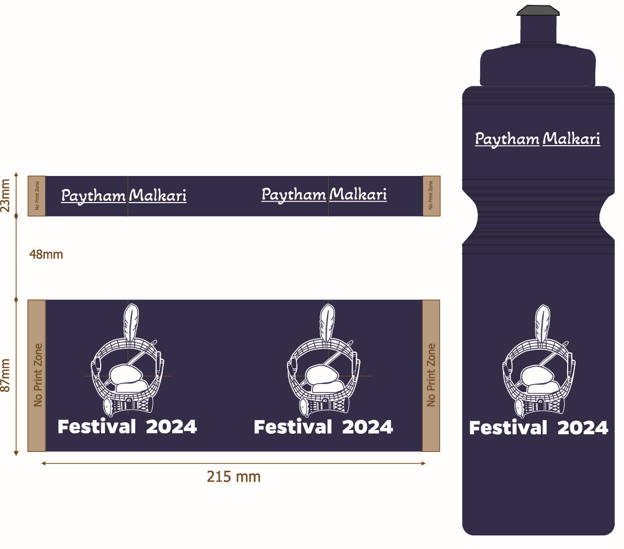
Managing bulk event merchandise production means nothing if the goods cannot cross the remote expanses of Northern Australia to reach the Cape York peninsula. Because the final volume of packed cargo far exceeded standard Australia Post parcel limits, an intermodal logistics network was constructed:
This comprehensive strategy allowed the entire artwork-to-delivery process to conclude safely within the rigid four-week event window.
For customers outside Brisbane and Melbourne, our custom t shirt printing Australia page explains how we handle nationwide custom apparel orders with delivery options across Australia.
Need help with a complex order? Our t shirt printing services page outlines the main options for DTG, vinyl, screen printing, event shirts, urgent printing and bulk garment production.
If you want personalised shirts for a group, festival, work team or community event, see our guide to personalised t shirts printed in Australia.
Managing remote outback logistics requires deep operational synchronization, proper fabric curation, and a central staging point to audit garment batches safely. Our supply routes for the Puuya Foundation project leverage specialized transport configurations across coastal and transit corridors. By anchoring our northern operations through accessible supply channels, we provide dedicated custom t-shirt design and embroidery support for Townsville .
A: Mockup approval serves as the definitive quality control anchor before printing begins. It allows clients to verify artwork dimensions, color matching, font accuracy, and logo placement across varied apparel sizes. Confirming these design blueprints visually eliminates production errors, controls waste, and ensures the finished custom merchandise exactly matches brand expectations.
Choosing between DTF, DTG, screen printing and embroidery can affect durability, colour and cost. Our printing methods guide compares the best options for different order types.
A: Yes. Production-ready vector graphics can be developed using flyers, sponsor images, brand logos, or past merchandise photography as reference assets. Depending on original file types and resolution levels, additional digital art preparation or digitization may be required to scale assets cleanly into high-resolution formats without pixelation.
If you have existing sponsor logos, flyer artwork or event graphics, our custom t shirt design Australia page explains how artwork can be prepared for printing.
A: Standard production takes approximately 10 working days following final mockup approval. However, complex projects targeting isolated areas require a comprehensive four-week fulfillment window. This timeline accommodates asset sourcing, multi-surface printing, multi-stage quality assurance, and intermodal outback freight scheduling.
Planning a similar event, festival or community merchandise order? These pages may help you choose the right printing path:
Event T shirt Printing Australia
