
DTG printing is a digital garment printing method that applies water-based ink directly onto the fabric to reproduce detailed, full-colour artwork with a smooth and professional finish.
Direct-to-Garment printing works in a similar way to an inkjet printer, but the specialised DTG printer is designed to print photographs, illustrations, gradients, fine lines and complex colour combinations onto clothing. It is commonly used for personalised T shirts, memorial shirts, event apparel, promotional garments and small custom clothing orders.
One of the main challenges customers face is choosing a printing process that can reproduce detailed artwork without requiring expensive screen setups or large minimum quantities. DTG is often suitable for short print runs, one-off designs and artwork containing many colours because the image is printed digitally rather than separated into individual screens.
DTG printing generally produces the best results on cotton-rich garments because natural fibres absorb the ink effectively. Dark-coloured shirts normally require a white underbase and fabric pretreatment so the printed colours remain clear, bright and visible.
The final print quality depends on the garment fabric, artwork resolution, image dimensions, shirt colour and correct pretreatment. Custom T Shirt Printing Online can review your design, recommend a suitable garment and confirm whether DTG, DTF or screen printing is the best option for your order.
For practical advice or a tailored printing quote, call Custom T Shirt Printing Online on 0422 442 029.
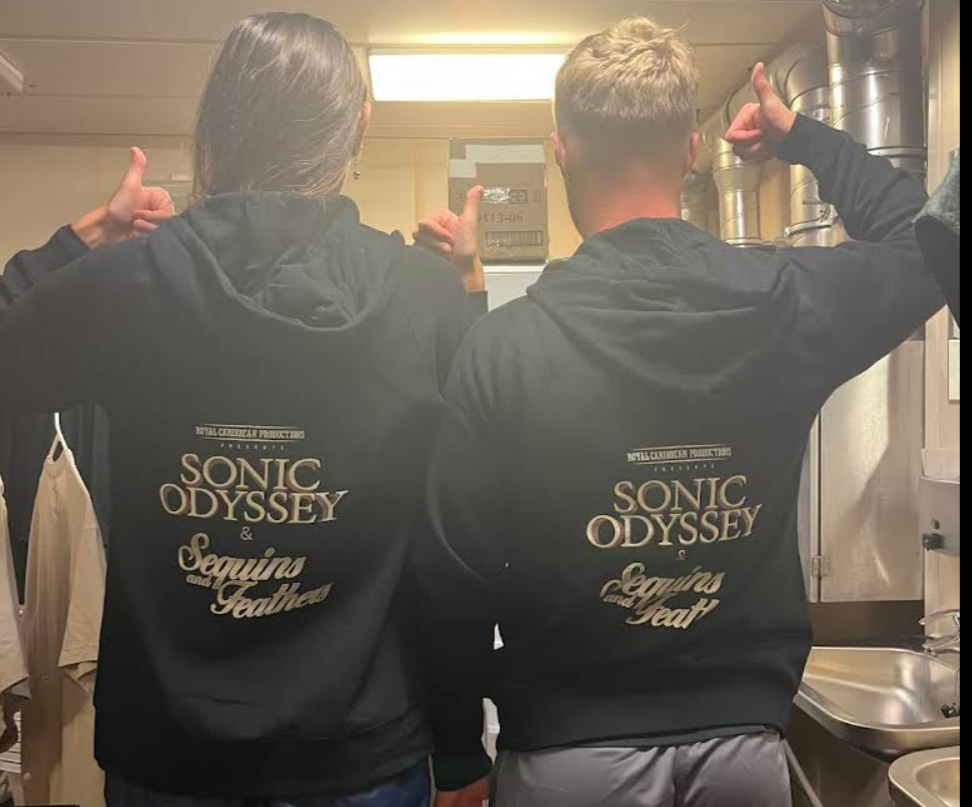
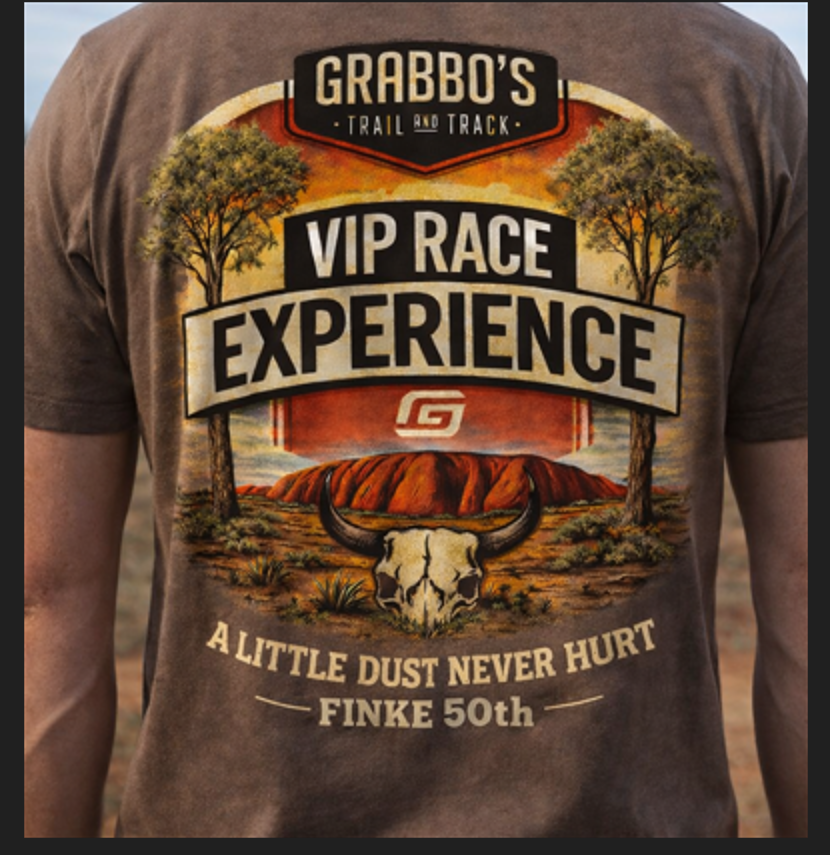
DTG printing is a digital garment printing method that uses a specialist printer to apply water based ink directly into the fibres of a T shirt or other suitable garment. The printed design is then cured using controlled heat, which helps lock the ink into the fabric and improve wash durability.
Direct to garment printing works in a similar way to an inkjet printer, but the equipment, inks and garment preparation are specifically designed for textiles. Because the artwork is printed digitally, DTG does not require screens, colour separations or lengthy setup. This makes it suitable for small T shirt orders, personalised shirts, photographic designs and detailed full colour artwork.
DTG printing works best on quality cotton garments, particularly when the fabric, colour and artwork are matched correctly. Poor garment selection or low resolution artwork can result in faded colours, unclear details or inconsistent prints.
Custom T Shirt Printing Online can assess your artwork, garment colour, quantity and deadline before recommending DTG, DTF or screen printing. Call Claude on 0422 442 029 to discuss the most suitable printing method for your order.
DTG printing is the best choice when you need a detailed, full-colour design printed in small to medium quantities on premium cotton T shirts. Direct-to-garment printing applies water-based ink directly into the fabric fibres, making it suitable for photographs, fine lines, colour gradients, shading and artwork containing many colours.
DTG is particularly effective when screen printing would require several separate screens for a multi-colour design. Because the artwork is printed digitally, there is no need to simplify complex images or limit the number of colours. This makes DTG suitable for event shirts, promotional T shirts, corporate samples, small business branded apparel, memorial shirts and personalised garments.
The method works best on garments with a high cotton content because cotton absorbs the ink and helps produce a clear, soft and breathable print. Premium cotton T shirts generally provide better colour reproduction and a more natural feel than garments made mainly from polyester.
DTG may not be the most economical option for very large orders containing simple one-colour artwork. Screen printing can provide better value for bulk quantities, while DTF printing may be more suitable for polyester, blended fabrics or certain workwear garments.
Choosing the wrong print method can lead to weaker colours, unnecessary costs or a finish that does not suit the garment. Custom T Shirt Printing Online can assess your artwork, quantity, fabric and deadline before recommending the most suitable printing process. Call Claude on 0422 442 029 to discuss your DTG printing requirements.
DTG printing can also be used for more unusual personalised projects where photographic detail and a softer finish are important. See how we used DTG to create photos printed on fabric for a memory quilt, using more than 80 photographs, messages and symbols arranged across natural cotton panels.
DTG printing is not the best choice when you need a large quantity of shirts, a simple repeated design, printing on synthetic fabrics or the lowest possible cost per garment.
For bulk orders of approximately 60 to 100 shirts or more, screen printing often provides better value because the setup cost is spread across a larger production run. It is particularly suitable for logos, text and designs with a limited number of solid colours. The more identical shirts you order, the lower the screen printing cost per shirt may become.
DTG may also be unsuitable for polyester, performance wear, workwear and mixed-fabric garments. Direct-to-garment printing performs best on cotton-rich T-shirts because the water-based ink needs to absorb into the garment fibres. For synthetic fabrics, DTF printing may provide stronger colour reproduction, better adhesion and greater garment flexibility.
DTG printing remains a practical option for small orders, detailed artwork, photographic designs and multiple print variations. It is commonly used for event shirts, promotional T-shirts, corporate samples and small business branded apparel.
Choosing the wrong print method can increase costs, affect colour accuracy and reduce print durability. Custom T Shirt Printing Online can assess your quantity, artwork, garment fabric, print placement and deadline before recommending DTG, DTF or screen printing. Call Claude on 0422 442 029 to request printing advice and a tailored quote.
DTG differs from DTF and screen printing because it applies water based ink directly into the garment fibres, making it best suited to detailed, full colour designs on cotton T shirts and smaller print runs.
DTG printing applies the artwork directly onto a pretreated cotton garment, while DTF printing transfers a printed design from specialist film onto the fabric using adhesive powder, heat and pressure. DTG generally produces a softer, more natural print feel because the ink absorbs into the cotton fibres rather than sitting as a transfer layer on top of the shirt.
DTF is more versatile across cotton, polyester, poly cotton blends, workwear, sportswear and garments that may not be suitable for direct to garment printing. It is often recommended for mixed garment orders, bright designs on coloured apparel, sleeve logos and urgent production where consistent transfers can be applied to several garment styles.
Is DTG or DTF better?
DTG is usually better for premium cotton T shirts, photographic artwork, gradients and small personalised orders. DTF is usually better when the order includes different fabric types, detailed logos, multiple garment colours or print placements that are difficult to load into a DTG printer.
DTG has minimal setup requirements and is normally more economical for one shirt, short runs and designs containing many colours. Screen printing requires a separate screen for each ink colour, which increases setup work but reduces the printing cost per garment when the quantity becomes large.
When is screen printing better than DTG?
Screen printing is often the stronger choice for bulk T shirt orders, simple spot colour logos, team uniforms and promotional garments requiring long term print consistency. DTG is more suitable when customers need detailed artwork, multiple colours, individual names or smaller quantities without paying for several screens.
Choosing the wrong method can lead to unnecessary costs, unsuitable fabric compatibility or a print finish that does not match the artwork. Custom T Shirt Printing Online can assess your garment, quantity, design, deadline and print placement before recommending DTG, DTF or screen printing. Call Claude on 0422 442 029 to discuss your order and receive printing advice based on the actual project requirements.
DTG pricing is calculated according to the garment selected, the number and size of the print areas, the order quantity and the required production timeframe.
Customers are sometimes frustrated when they expect every DTG printed shirt to have the same price. However, a small logo printed on the front of a standard cotton T-shirt requires different materials, preparation and production time from a large full-colour design printed on both the front and back of a premium garment.
Provide the garment style, quantity, sizes, shirt colours, print locations, approximate print dimensions, artwork files and required delivery date. This information allows Custom T Shirt Printing Online to recommend the right garment and calculate a clear quote without unnecessary printing costs.
Real DTG pricing tables and order examples are available on our dedicated DTG pricing pages. For help choosing the most suitable option, call Custom T Shirt Printing Online on 0422 442 029 and let Claude guide you through the order requirements.
Urgent DTG printing is suitable for producing detailed, full-colour custom T shirts quickly when the required garments are available, the artwork is print-ready and production capacity can accommodate the deadline.
Direct-to-garment printing, commonly called DTG printing, applies water-based ink directly into the fibres of a cotton garment. It is often recommended for urgent small orders containing photographs, gradients, fine details or multiple colours because it does not require screens to be prepared for each ink colour.
The completion time for an urgent DTG order depends on three main factors:
Urgent DTG printing generally costs more than standard turnaround printing because the order must be prioritised within the existing production schedule. Pricing is influenced by the garment selected, order quantity, print dimensions, number of print locations, artwork preparation and required completion date.
Same-day DTG printing may be possible for small orders when blank garments and approved artwork are ready early enough for production. Availability should always be confirmed before relying on a same-day deadline.
To avoid missed deadlines, unsuitable garments or artwork problems, contact Custom T Shirt Printing Online before placing an urgent order. Call 0422 442 029 so Claude can review your quantity, artwork, garment requirements and deadline before recommending the most suitable printing process.
To order DTG printed shirts, provide the garment quantity, size breakdown, shirt style, print locations, artwork dimensions, required completion date and a high-resolution design file.
Direct-to-garment printing works best when the printer receives complete order information before artwork preparation begins. Missing sizes, unclear print measurements or low-resolution images can delay quoting, mockup approval and production. A clear order brief also helps determine whether DTG is the most suitable printing method for the garment, artwork and deadline.
After these details are reviewed, Custom T Shirt Printing Online can recommend the garment, confirm whether DTG is appropriate and prepare an accurate quote and digital mockup. This structured process reduces sizing mistakes, unsuitable artwork, colour problems and avoidable production delays. The step-by-step DTG ordering page explains the complete workflow from enquiry and artwork review through to mockup approval, payment, printing and delivery.
Need help preparing your DTG order? Call Custom T Shirt Printing Online on 0422 442 029 for practical advice before ordering.
Wondering how Direct to Garment (DTG) printing performs on a real customer project? Read our detailed case study to see how we helped a family from Kurunjang, Victoria design, approve and print 30 personalised memorial shirts in just six days. Learn why DTG printing was selected, how the artwork was prepared, the approval process and how careful planning ensured the shirts were ready in time for an overseas funeral.
DTG printing, or direct-to-garment printing, is a digital process that applies water-based ink directly into the fibres of a garment. It is commonly used for detailed, full-colour artwork, photographs, gradients and personalised T-shirts.
DTG printing works best on smooth, cotton-rich T-shirts because natural cotton fibres absorb water-based ink effectively. Premium 100% cotton garments generally produce clearer details, stronger colours and a softer print finish than polyester garments.
DTG printing is suitable for one-off shirts and small to medium orders because it does not require separate screens for each colour. It is especially useful when the artwork contains photographs, shading, gradients or many colours.
Standard DTG printing turnaround depends on garment availability, artwork approval, order quantity and the current production schedule. Same-day or urgent DTG printing may be possible for small orders when suitable shirts and print-ready artwork are available.
DTG printing prices depend on the garment brand, order quantity, print size, number of print locations and required turnaround time. A small front print on a standard cotton shirt will usually cost less than a large design printed on both the front and back.
A high-resolution PNG with a transparent background is commonly recommended for DTG printing. PDF, AI or EPS files may also be suitable, while raster artwork should normally be prepared at 300 DPI at the intended print dimensions.
DTG can reproduce photographs, fine lines, colour gradients, shading and complex illustrations when high-resolution artwork is supplied. The final result also depends on the garment colour, fabric quality, image dimensions and correct pretreatment.
DTG is generally better for soft, detailed prints on premium cotton T-shirts, while DTF is more versatile across polyester, blended fabrics, sportswear and workwear. The best method depends on the fabric, artwork, print placement, quantity and required finish.
DTG is often better for small orders and detailed designs containing many colours. Screen printing is generally more economical for larger quantities of identical shirts with simple logos, text or a limited number of solid colours.
A properly printed and cured DTG design can remain durable through repeated washing when the shirt is cared for correctly. Wash the garment inside out in cold water, use a gentle cycle, avoid bleach and do not iron directly over the printed image.
Understand the typical cost factors involved in direct-to-garment printing when your order follows a standard production schedule. This page explains how garment choice, print size, print locations, shirt colour and quantity can affect the final DTG printing price.
Urgent DTG printing may be available when shirts are needed for a funeral, event, business deadline, birthday or last-minute promotion. Learn what information must be supplied early, how artwork readiness affects production and which factors determine whether a same-day or rush order is achievable.
Use the DTG pricing estimator to understand how the number of garments, print positions, artwork size and selected shirt style may influence your order investment. The calculator can provide an initial estimate before a detailed quote is prepared.
DTG printing prices can change as order quantities increase because garment purchasing, artwork preparation and production handling are spread across more shirts. This pricing ladder explains how small orders compare with medium and larger DTG print runs.
Find answers to common questions about DTG print quality, suitable garments, artwork files, colour reproduction, wash durability, turnaround times and order quantities. This resource helps customers understand the process before requesting a quote or placing an order.
DTG and DTF can both reproduce detailed, full-colour artwork, but they differ in print feel, garment compatibility, production method and ideal use cases. Compare the two methods to determine which option better suits your fabric, design, quantity and required finish.
Correct washing, drying and ironing practices can help protect a direct-to-garment print and extend the usable life of the shirt. Follow these DTG care instructions to reduce fading, cracking, heat damage and unnecessary wear.
Ordering DTG printed shirts requires clear information about quantities, sizes, garment styles, artwork, print locations, print dimensions and the required completion date. This step-by-step guide explains the ordering process from the initial enquiry through to mockup approval, payment, production and delivery.
Review practical DTG pricing examples based on different garment quantities, shirt styles, artwork sizes and print locations. These examples help explain why two orders with the same number of shirts may have different total costs.
DTG is often suitable for smaller quantities, detailed artwork and designs containing many colours, while screen printing can provide better value for larger orders using simplified colour separations. Compare the methods by quantity, artwork type, fabric, print feel, durability and production requirements.
Urgent DTG production may involve tighter artwork deadlines, limited garment choices and additional production planning compared with a standard turnaround. This comparison explains the differences in availability, ordering requirements, scheduling and overall investment.
Choosing between DTG, DTF and screen printing depends on the artwork, garment fabric, order quantity, required finish and production deadline. This decision guide compares all three methods so customers can identify the most appropriate printing process for their project.
The best printing method is determined by more than the number of shirts being ordered. Answer questions about your artwork, garment material, print colours, quantity, deadline and preferred finish to narrow down the most suitable process.
The garment you choose affects comfort, fit, fabric weight, print appearance and the overall presentation of the finished shirt. Compare premium and budget T-shirts to understand which garment option is best suited to uniforms, events, merchandise, memorial shirts or personal use.
The DTG printing hub brings together guidance on pricing, artwork preparation, garment selection, ordering, care instructions, urgent production and print method comparisons. Use the hub to research direct-to-garment printing and move from initial planning to an informed order.
